
Simple Tips For A Dry Scalp You Need To Know
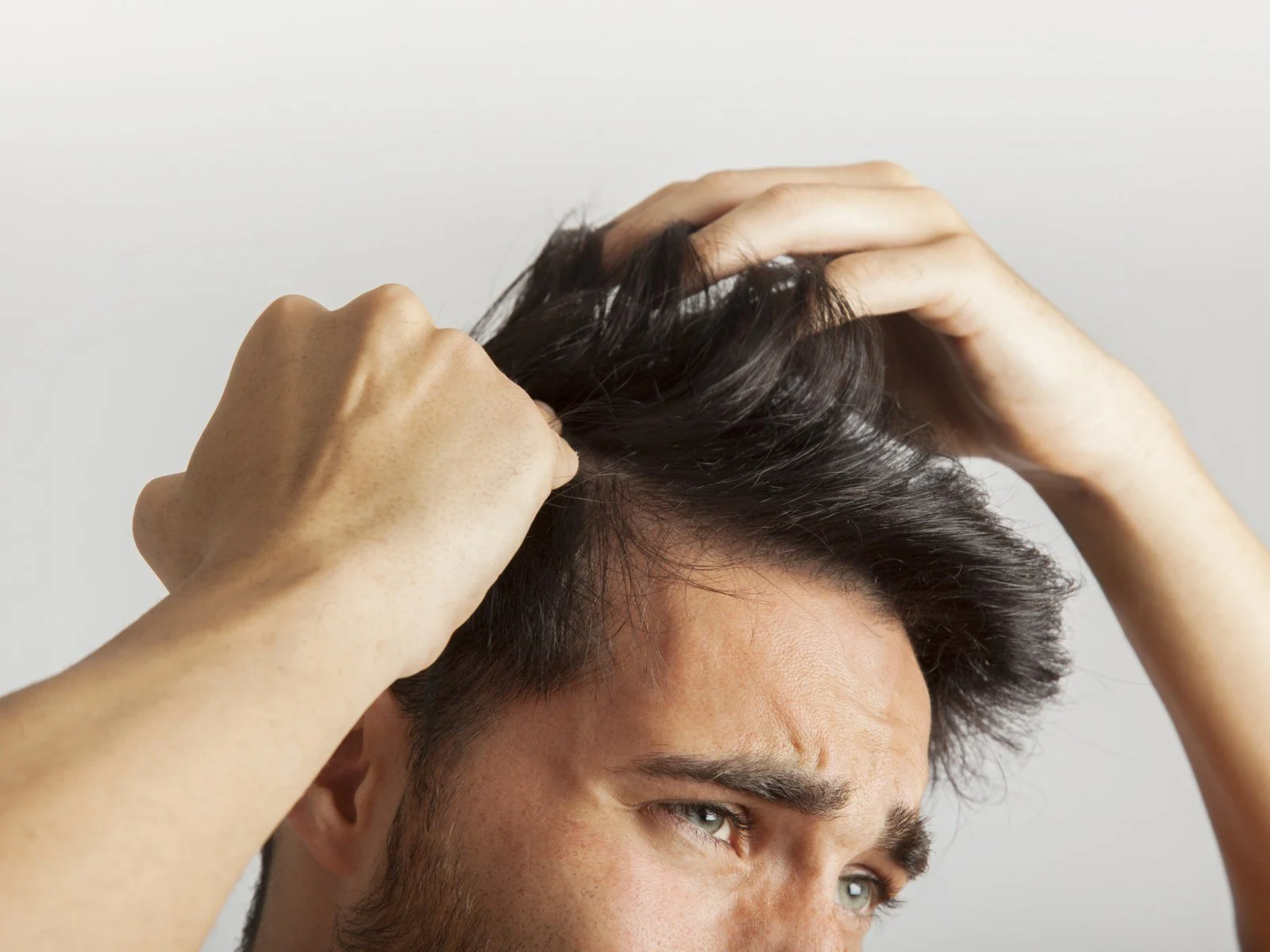
Effective Tips For Dry Scalp
Symptoms Of A Dry Scalp
Sometimes people with dry and flaking scalps, initially suspect dandruff. However, it is likely that these two symptoms are a result of a dry scalp.
Dry scalp usually develops when the scalp has too little moisture, this causes irritation to the skin causing it to flake. Some people may find that other parts, such as their arms and legs also become dry.
There are many factors that can contribute to the development of this condition such as temperature, age and reactions to products.
One way to differentiate between dry scalp and dandruff is by looking at the appearance of the flakes.
Typically, dandruff flakes are larger in size, yellow or white in colour and may even look oily. Sometimes dandruff flakes also are harder to come off the skin.
Smaller dry flakes indicate dry scalp and there may also be dry skin on other parts of the body. Both conditions cause an itchy scalp, however, dandruff patients often present with red, oily and scaly-looking skin.
How To Tackle Dry Scalp
Here are a few remedies to sooth the itch caused by inflammation and moisturise the skin to deal with the flakes.
Apple Cider Vinegar
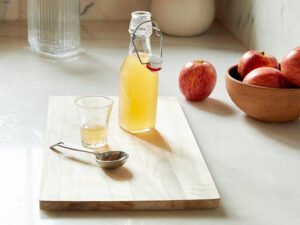
Not only does it have anti-inflammatory, antifungal, and antibacterial properties, you can use apple cider vinegar (diluted with water) as a clarifying rinse to get rid of excess product buildup. The high acidity in ACV also works to keep dandruff-causing bacteria and fungus at bay. After cleansing with a sulfate-free shampoo, pour your mixture onto your scalp and massage it through for a few seconds before rinsing.
Vitamin E
If your scalp’s moisture levels are out of whack, vitamin E, which you can find in the Coco Creme Creamy Conditioner, is an excellent choice for helping to balance and restore natural oil levels. Different factors like poor diets and going overboard with beauty techniques can throw things off and create either an over- or underproduction of oil. You can get vitamin E through veggies like asparagus and broccoli or fresh fruits such as mangoes and papaya. A helping of almonds and wheat germ in your smoothies and cold cereals can also offer a healthy dose of the nutrient. If you can’t tell whether or not you’re getting enough through your food, try massaging pure vitamin E oil directly onto your scalp for three to five minutes once a week. It’ll help neutralize your scalp’s pH levels and improve overall circulation while heavily reducing dryness.
Coconut Oil
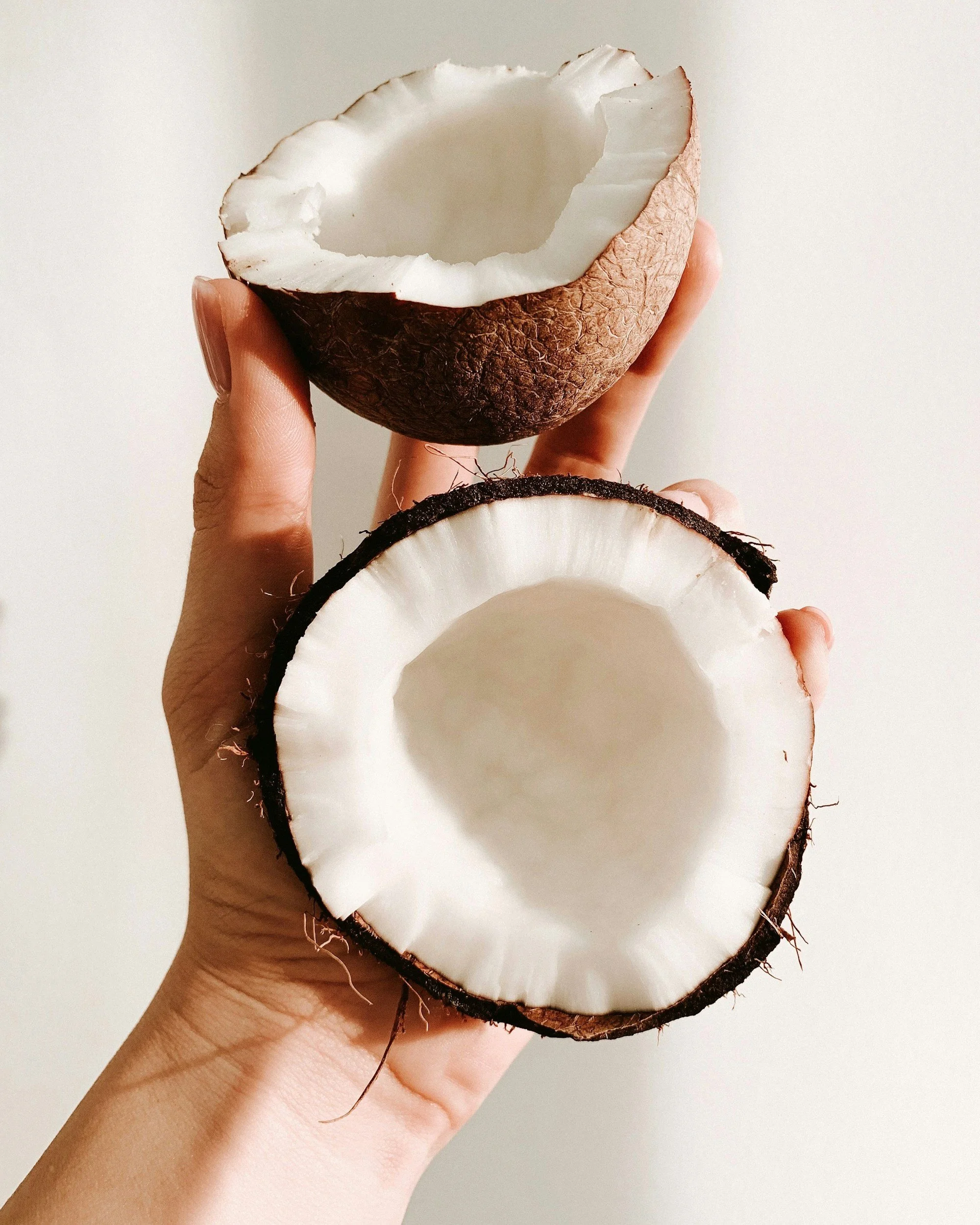
Whether you have dry strands or a dry scalp, it’s no secret that coconut is one of the best home ingredients for a dry scalp, and it’s really an overall wonder treatment for natural hair. This hair oil can help restore moisture and is formulated with lauric acid, which has antimicrobial properties and helps the skin absorb coconut oil efficiently. So, you’re getting the itch-soothing treatment both on the surface of the scalp and beneath the skin. If you’ve been scratching a lot, coconut oil can also help cut down on the risk of infection. Use it as a pre-shampoo or whenever you feel itchy by massaging a small amount of food-grade coconut oil, preferably organic, directly onto the scalp. You’ll also find it in a ton of products.
We hope this has been helpful and if you want any further information, book online with one of our expert team.